


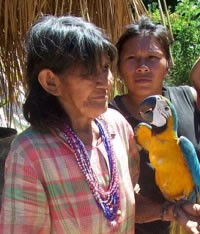

The Yabarana are a small indigenous people living in southern Venezuela, mainly in the Amazonas state near the Parucito and Manapiare River areas.
They are part of the broader Cariban linguistic family and have historical connections with neighboring indigenous groups. Over time, their identity has been shaped by interaction and intermarriage with nearby peoples such as the Piaroa and others in the region.
Their history has been deeply affected by outside pressures. During the colonial period and later, they suffered population loss due to disease, displacement, and forced labor, especially during the rubber boom when many indigenous people were exploited for labor.
Today, the Yabarana remain one of the smallest and most vulnerable indigenous groups in Venezuela, and their language and traditional culture are at risk of disappearing.
The Yabarana live in remote areas of the Venezuelan Amazon, often along rivers that provide transportation, food, and access to surrounding resources.
There is limited detailed information about their current daily life. However, like other indigenous peoples of the region, they likely depend on a combination of small-scale agriculture, fishing, hunting, and gathering. Their environment of forests and rivers strongly shapes their way of life.
Many Yabarana now live in small villages or near settlements such as San Juan de Manapiare, where they interact with other indigenous groups and the wider society.
Cultural life has been significantly affected by outside influence, migration, and population decline. Much traditional knowledge, including language and ritual practices, has been reduced or fragmented over time.
The Yabarana have been influenced by Roman Catholicism, and many identify with forms of Christianity that are blended with traditional beliefs.
Traditional indigenous spirituality historically included beliefs connected to nature, spirits, and the unseen world, as is common among Cariban-speaking peoples. However, much of their original belief system has been weakened due to cultural disruption and loss of oral traditions.
Today, religious life often reflects a mixture of Catholic practices and remaining indigenous concepts, with varying levels of understanding and continuity from one community to another.
The Yabarana face serious challenges related to survival, cultural preservation, and security. Their small population and isolation make them especially vulnerable to outside pressures.
Illegal mining and resource exploitation in the Amazon region have brought environmental damage, insecurity, and direct threats to their communities and leaders.
Their language is severely endangered, and much of their cultural heritage is at risk of being lost, especially as younger generations shift to Spanish and integrate into broader society.
They also face limited access to healthcare, education, and economic opportunities, making it difficult to sustain their communities physically and culturally.
Spiritually, there is a need for clear and consistent biblical teaching that is communicated in ways that connect with their cultural background and present reality.
Pray for the preservation of the Yabarana people and their communities in the face of ongoing pressures and population decline.
Pray for protection from violence, illegal mining, and exploitation in their territory.
Pray for the Lord to bring revival to their families and churches so they can enjoy the full blessings of Christ.
Pray for access to healthcare, education, and resources that will help them live stable and sustainable lives.
Pray they would be given a spiritual hunger and discernment, as well as protection from spiritual counterfeits and false doctrines.
Scripture Prayers for the Yabarana in Venezuela.
https://anthropology.iresearchnet.com/yabarana-indians/
https://minorityrights.org/communities/yabarana/
https://en.wikipedia.org/wiki/Yabarana_language
https://www.native-languages.org/yabarana.htm
https://www.forestpeoples.org/publications-resources/news/article/venezuela-armed-assaults-on-yabarana-indigenous-peoples-by-illegal-miners/
AI generated by CoPilot
| Profile Source: Joshua Project |


